By InsightTech
16 Sep 2026
6 min read
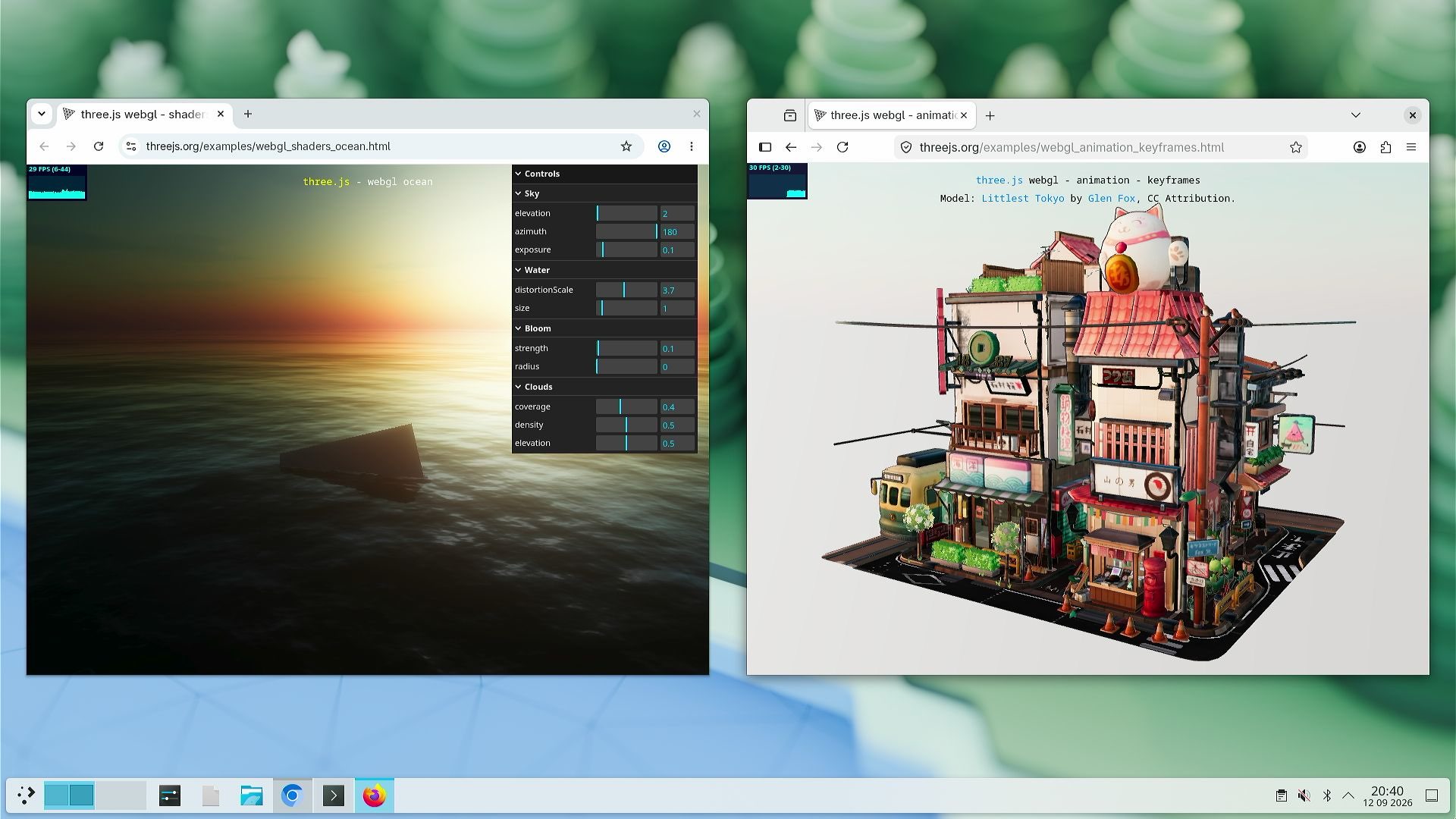
In the modern computing landscape, graphics processing units are the heart of the system. Without a GPU, all visual processing must be handled by the CPU, leading to unacceptable performance drops in both speed and energy efficiency. Cody Ho and his partner Niklas successfully developed a fully OpenGL ES 3.0 compliant GPU driver from scratch for the M4 Mac Mini and MacBook Neo devices. This massive engineering project compressed a process that typically takes years into approximately one month. As a result, WebGL-supported 3D scenes run seamlessly in Chrome and Firefox browsers, and heavy games like Minecraft run fluidly at 200 frames per second.
The fundamental challenge behind this success was reverse engineering the incredibly complex firmware ABI and user-space components of Apple's AGX GPU architecture. The team executed this process in a transparent and verifiable clean-room manner. This means they did not directly look at Apple's existing binary files or source code. Instead, they used hardware traces collected via a previously developed hypervisor and shaders created by the team itself. Apple blob files required for user-space graphics were treated as opaque objects, and their behavior was understood through documentation prepared by a friend and trial-and-error methods. All these experiments were published openly so that the provenance of the work could be verified by anyone.
The architectural structure of the project reflects the standard split in modern GPU drivers: kernel space and user space. The kernel driver is responsible for communicating with the firmware, allocating buffers, and managing scheduling. In contrast, the content of these buffers and what is being scheduled is determined by user space. In Apple Silicon architecture, the kernel driver does not speak directly to the hardware. Instead, it interacts with the GPU firmware running on a custom real-time operating system called RTKit. This situation transforms the first step of driver development from hardware access to solving the firmware ABI. This was the most annoying and technically intensive part of the project.
In the design of Apple's firmware ABI, an approach was adopted that involved splitting a standard kernel driver in half and placing one half into the GPU as firmware, rather than using logical and clean interfaces. The other half communicates using shared structs in memory. These structures form a complex web where firmware-owned fields, which must never be modified, are interleaved with host-controlled fields. The complexity of the shared memory tree in M1 and M2 models reveals just how detailed and difficult this ABI is. Solving this structure required not only technical knowledge but also a deep understanding of hardware behavior.
On the user-space side, the hardware features of M4, A18 Pro, and largely M5 processors were mapped using live probing techniques. Hidden features and commands supported by the hardware but not emitted by Apple's own driver were discovered. During this process, a custom IR/shader compiler, a command stream builder, and many other critical components were built from scratch. All this work was supported by data obtained from hypervisor traces. The team pushed the limits of the hardware, revealing potential capabilities that Apple's official driver did not use. This approach aimed not only to copy existing functionality but to unleash the true capacity of the hardware within the Linux ecosystem.
The implementation of the Linux kernel driver was designed to ensure full compliance with this complex firmware ABI. The driver serves as a safe and efficient bridge to the GPU firmware. Buffer management and scheduling mechanisms require a delicate balance due to the nature of the hardware. An incorrect configuration can cause the system to crash or the hardware to lock up. Therefore, correctly filling each struct field and strictly adhering to the firmware's expectations is critical. The team managed this sensitivity through continuous monitoring and verification processes. Although the developed driver is not yet ready for end users, its distribution is planned for the near future.
This project can be evaluated as a revolutionary step in the use of Apple hardware within the Linux ecosystem. GPU drivers generally require a years-long engineering marathon in closed-source ecosystems. However, Cody Ho's team dramatically shortened this time by combining hypervisor-based reverse engineering and clean-room development principles. This success is not only a technical victory but also a strong example for the open-source community on how hardware access can be expanded. Being able to run powerful devices like the M4 Mac Mini at full potential under Linux opens a new horizon for developers and system engineers.
In conclusion, this initiative is proof of successfully managing the fine line between deep hardware-level engineering knowledge and software architecture. The GPU driver development process requires understanding the spirit and logic of the hardware, going beyond just writing code. Creating a fast and compliant graphics infrastructure for Linux by breaking Apple's closed ecosystem offers an inspiring roadmap for similar future projects. Such works, while pushing the boundaries of technology, once again prove the power of open-source principles.
Experience a spring of truth flowing from cutting-edge innovation at InsightTech, shaping the digital future with excellence and integrity.
InsightTech Editorial Team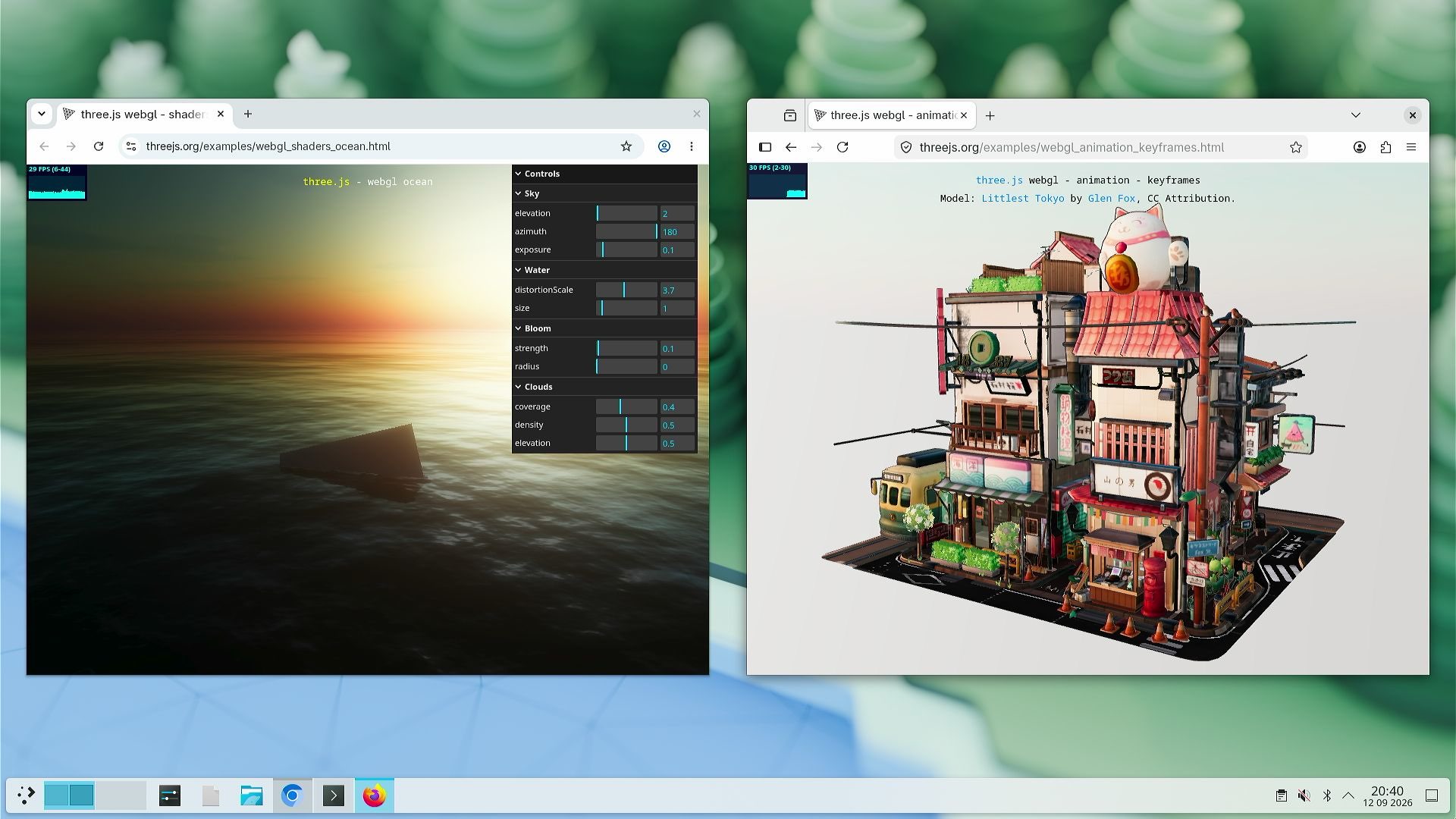
Cody Ho and team developed an OpenGL ES 3.0 compliant GPU driver for the M4 …
The V8 team's Oilpan garbage collector offers the flexibility of dynamic memory management while preserving …

Ubuntu 26.10 elevates memory safety and modern architectural standards by migrating core system utilities to …

Sep 16, 2026
Sep 16, 2026
Sep 16, 2026
Enter your email to receive our latest newsletter.
Don't worry, we don't spam
At InsightTech, we focus on delivering high-impact technology solutions that empower businesses.
Get a Quote